Heart
High blood pressure and the DASH eating plan
If a high blood pressure reading left you staring at the salt shaker and wondering what you can still eat, that worry makes sense, and you deserve a clearer starting point than a list of bans.
High blood pressure is common and usually silent. The 2025 American Heart Association and American College of Cardiology guideline keeps the same categories as before: normal is below 120/80 mm Hg; elevated is 120–129 systolic with diastolic below 80; stage 1 hypertension is 130–139 systolic or 80–89 diastolic; stage 2 is 140 or higher systolic or 90 or higher diastolic.
Most sodium comes from packages and restaurants, not the salt shaker.
The same guideline strongly recommends lifestyle changes for everyone with elevated blood pressure or hypertension: a heart-healthy eating pattern such as DASH, less sodium, more dietary potassium, regular activity, a healthy weight, stress management, and less or no alcohol. Food is one lever among several, and it is one you can practice this week.
What DASH looks like on a plate
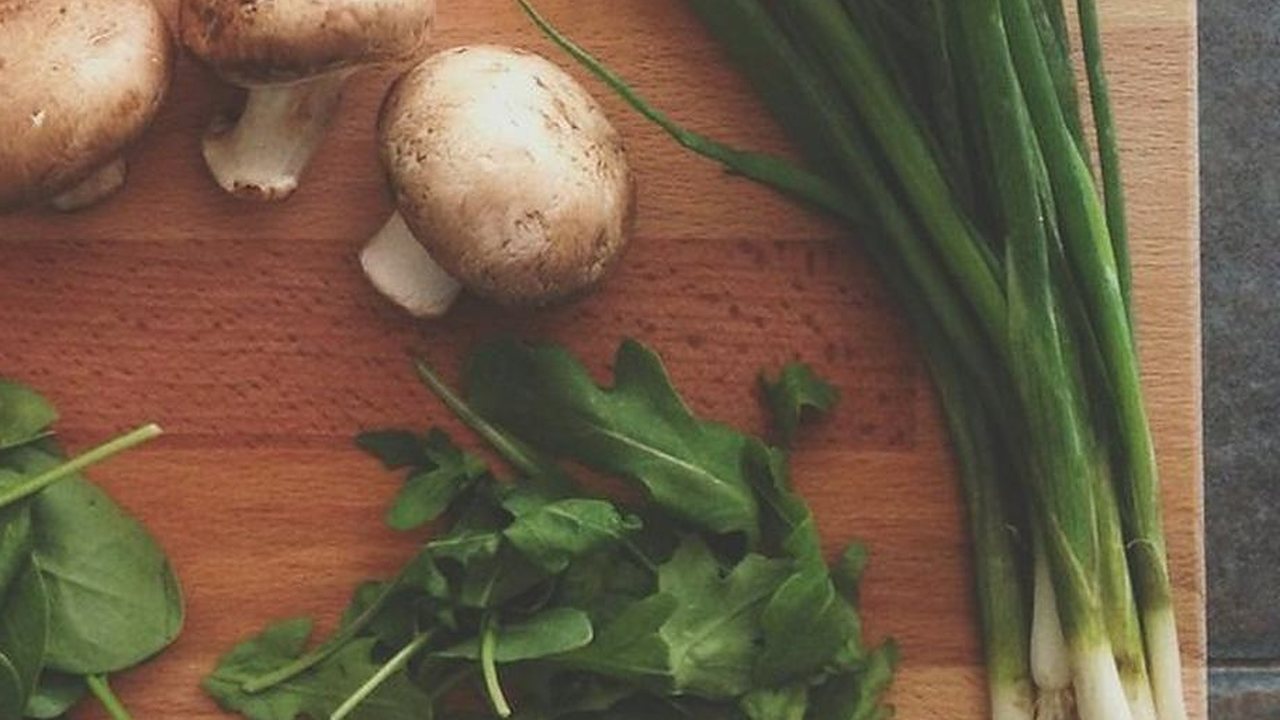
DASH stands for Dietary Approaches to Stop Hypertension. The National Heart, Lung, and Blood Institute (NHLBI) describes it as an eating plan rich in vegetables, fruits, whole grains, beans, nuts, seeds, and low-fat or fat-free dairy, with fish, poultry, and lean meats, and lower in saturated fat, sweets, and sodium. For a 2,000-calorie day, the NHLBI lists roughly 4–5 servings each of vegetables and fruit, 6–8 servings of grains, and 2–3 servings of low-fat dairy, with nuts, seeds, and beans 4–5 times a week.
- Add a vegetable to the meals you already eat rather than inventing new ones.
- Keep fruit visible: a bowl on the counter, berries in yogurt, a banana in the bag.
- Use beans or lentils in place of some meat a few times a week.
- Choose plain dairy or fortified alternatives you like.
Sodium without the salt-shaker guilt
The American Heart Association notes that more than 70% of the sodium Americans eat comes from packaged, prepared, and restaurant foods. Both the AHA and the Dietary Guidelines set an upper limit of 2,300 mg a day for adults, and the AHA describes 1,500 mg as an ideal goal for most adults—while noting that cutting back by about 1,000 mg a day can improve blood pressure for many people.
- Compare labels on bread, soup, sauces, deli meat, and frozen meals; the same food varies a lot by brand. The FDA’s sodium page explains the % Daily Value.
- Rinse canned beans and vegetables, or choose “no salt added.”
- Use acid, herbs, garlic, and spices so food still tastes like something.
- At restaurants, sauces and soups are usually the saltiest parts; share or take half home.
The food label guide walks through it in thirty seconds.
Potassium, alcohol, and a caution about salt substitutes
Potassium from vegetables, fruits, beans, and dairy is part of why DASH works. Potassium-based salt substitutes are not right for everyone: people with kidney disease, or who take certain blood pressure medicines, may need to limit potassium. Ask your clinician before switching. With alcohol, the guideline recommends reducing or eliminating it; less is better for blood pressure.
Myths worth retiring
- “I feel fine, so my blood pressure is fine.” High blood pressure usually has no symptoms. Measurement is the only way to know.
- “Sea salt and pink salt don’t count.” Specialty salts still add sodium.
- “If I start medicine, food doesn’t matter.” Eating pattern and medicine often work together.
When to see a clinician—and when it is urgent
The NHLBI advises that blood pressure above 180/120 needs medical attention. If a repeat reading after five minutes is still that high and you have symptoms such as a sudden severe headache, difficulty breathing, sudden severe chest, back, or abdominal pain, numbness or weakness, a sudden change in vision, or trouble talking, call 911. Without symptoms, recheck and call your healthcare provider. For everyday planning, a registered dietitian can adapt DASH to your culture, budget, and kidney or diabetes needs.
A short “good enough” check
- I had vegetables or fruit at most meals today.
- I compared sodium on at least one packaged food I buy often.
- Beans, nuts, or seeds showed up this week.
- I am checking with my clinician before using a potassium salt substitute.
- I know my recent blood pressure reading, or I have a plan to check it.
For the broader heart picture, read heart-friendly plates and cholesterol food myths. The Heart & Blood Pressure Plate workbook ($10) turns this into trackers and worksheets.
Sources
- American Heart Association / American College of Cardiology. 2025 Guideline for the Prevention, Detection, Evaluation, and Management of High Blood Pressure in Adults (JACC, 2025). https://www.jacc.org/doi/10.1016/j.jacc.2025.05.007
- National Heart, Lung, and Blood Institute (NHLBI). DASH Eating Plan. https://www.nhlbi.nih.gov/health/dash-eating-plan
- NHLBI. High Blood Pressure: Symptoms. https://www.nhlbi.nih.gov/health/high-blood-pressure/symptoms
- American Heart Association. How Much Sodium Should I Eat Per Day? https://www.heart.org/en/healthy-living/healthy-eating/eat-smart/sodium/how-much-sodium-should-i-eat-per-day
- U.S. Food and Drug Administration (FDA). Sodium in Your Diet. https://www.fda.gov/food/nutrition-education-resources-materials/sodium-your-diet
- U.S. Department of Agriculture & U.S. Department of Health and Human Services. Dietary Guidelines for Americans, 2025–2030 (January 2026). https://cdn.realfood.gov/DGA.pdf
Wherever you are with blood pressure and food, small steps count. If you’d like a hand, tell our RD team what’s going on, or join the newsletter to keep learning with us.