Food access
SNAP, WIC, and food help: how to find it, apply, and use it well
Last reviewed: October 2026 by our RD team
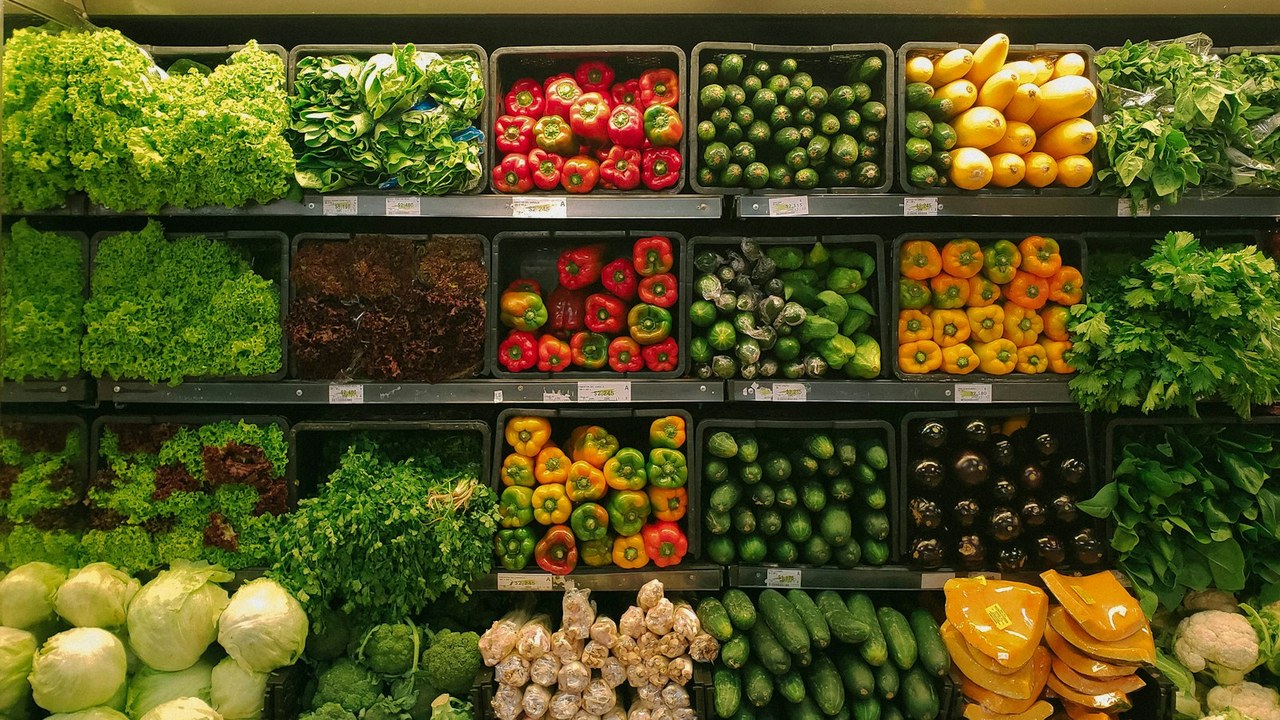
Needing help with groceries is common, and asking for it is a practical step, not a failure. Our RD team wrote this guide to make the process feel less mysterious: which program is for whom, what the first steps look like, and how to make the food go further once you have it.
This is educational information, not legal or benefits advice. We are not a government agency, we cannot see or process applications, and we cannot tell you whether you qualify. Only your state or local agency can do that. Everything below is drawn from official USDA and nonprofit pages that we list at the end.
Which kind of help is which?
| Program | Who it is for | How you get started |
|---|---|---|
| SNAP (Supplemental Nutrition Assistance Program) | Low-income households. USDA describes it as food benefits to supplement a grocery budget so families can afford nutritious food | Apply in the state where you live, through your state agency (local office, website, or hotline) |
| WIC (Special Supplemental Nutrition Program for Women, Infants, and Children) | People who are pregnant, up to 6 months postpartum, or breastfeeding (up to the infant’s first birthday); infants; and children up to their fifth birthday | Contact a WIC agency in your area; you can often start online or by phone and complete an appointment in person or virtually |
| Food banks and food pantries (Feeding America network) | Anyone who needs extra help affording food; some pantries have extra requirements, such as living in a certain area | Search by ZIP code at Feeding America’s food bank finder, then contact the food bank for hours and services |
| 211 (United Way) | Anyone looking for local help, including food, housing, and utility assistance; calls are confidential | Call 211 or use the local 211 finder |
Sources: USDA Food and Nutrition Administration (FNA) SNAP and WIC pages; Feeding America; 211.org. Links in the sources list below.
SNAP: the basics
SNAP is run by USDA, but you apply through your state. In the words of USDA’s eligibility page, you must apply in the state where you currently live and meet certain requirements, including resource and income limits. Those limits are updated each year, and there are special rules for households with elderly or disabled members (see the USDA page on those rules). USDA’s page also notes that most state agencies use “broad-based categorical eligibility,” which can change the limits that apply in your state, which is one more reason to check locally.
A “SNAP household” is generally everyone who lives together and buys and prepares meals together, though some people, such as spouses and most children under 22, are counted together even if they eat separately.
How to apply for SNAP: step by step
- Find your state’s agency. Use the USDA SNAP State Directory and click your state. Each state has its own application form, and some states have online applications. If your state’s form is not online, you can request one from your local SNAP office.
- Submit an application. A member of your household contacts the state agency directly (local office, website, or the state’s toll-free hotline). USDA says it does not process applications or have access to case information, so questions about an application go to your state agency.
- Ask for help if getting to the office is hard. If you cannot go to the office or call, or do not have internet access, USDA says another person can act as your “authorized representative” by applying and being interviewed on your behalf. You must name them in writing.
- Complete the interview and verification. In most cases the agency sends a notice telling you whether you are eligible within 30 days. During that time you complete an eligibility interview (typically by phone or in person) and give proof of the information you provided. Ask your office exactly which documents it needs.
- Ask about faster help if you need it. USDA says some households that meet additional requirements may receive benefits within 7 days of applying. Ask the agency whether you may qualify.
- Use your EBT card. If you are eligible, benefits are loaded each month onto an Electronic Benefit Transfer (EBT) card that works like a debit card at authorized stores. If you are approved, USDA says benefits are counted back to the date you submitted your application, so it helps to apply promptly.
- Watch for your recertification notice. Your approval notice states how long you will receive benefits (the certification period). Before it ends you will receive another notice about recertifying.
If you disagree with a decision on your case, USDA’s page says you can ask for a fair hearing, and that the request must be made within 90 days of the decision. Check the date and instructions on your own notice.
What SNAP can and cannot buy
USDA’s list of eligible items (page updated June 2025) says SNAP can be used for any food for the household. States can request waivers that change some of these rules, so see the note below the table.
| Generally eligible | Not eligible |
|---|---|
| Fruits and vegetables | Beer, wine, and liquor |
| Meat, poultry, and fish | Cigarettes and tobacco |
| Dairy products | Vitamins, medicines, and supplements (if it has a Supplement Facts label, it is considered a supplement) |
| Breads and cereals | Foods that are hot at the point of sale |
| Other foods, such as snack foods and non-alcoholic beverages | Nonfood items: pet food, cleaning supplies, paper products, hygiene items, cosmetics |
| Seeds and plants that produce food for the household to eat | Food and drinks containing controlled substances such as cannabis or CBD; most live animals |
Source: USDA FNA, “What Can SNAP Buy?” (page updated June 4, 2025).
State food-restriction waivers. USDA’s SNAP page lists “SNAP Food Restriction Waivers,” and the federal realfood.gov site says USDA is working with states to prevent SNAP funds from being used for sugary drinks. This means that what you can buy with SNAP may differ in your state. Check your state agency’s website or ask a store or your caseworker, and see the USDA SNAP page for the current list.
Work requirements and other rules
USDA says that people ages 16–59 who are able to work will probably need to meet general SNAP work requirements, and that people who are excused include those caring for a child under six or an incapacitated person, those unable to work because of a physical or mental limitation, and those already working at least 30 hours a week. USDA also says that the One Big Beautiful Bill Act of 2025 changes the rules for “able-bodied adults without dependents,” and that its page will be updated when guidance is released. If work or student rules might apply to you, read the USDA work requirements page and ask your state agency what applies to your household today.
WIC: the basics
USDA describes WIC as providing healthy foods, personalized nutrition education, breastfeeding support, and referrals to other services, at no cost to you. Foods include fresh fruits and vegetables, baby food, milk, eggs, beans, cheese, and more, and the eWIC card works like a debit card at WIC-approved grocery stores and farmers’ markets.
- Who can receive WIC: women who are pregnant, postpartum (up to 6 months after the end of a pregnancy), or breastfeeding (up to the infant’s first birthday); infants; and children up to their fifth birthday.
- Income: USDA says that if you or children in your care receive Medicaid, SNAP, or TANF, you may already be income eligible for WIC. Otherwise your income must be at or below WIC limits, which are shown on the WIC eligibility page.
- Health check: all applicants receive a free, simple health check by WIC staff before they are enrolled; WIC uses it to personalize benefits and services.
- Who can apply for a child: USDA says moms, dads, foster parents, and anyone else raising kids under 5 can apply for support for the kids in their care.
How to apply for WIC
- Check eligibility. USDA’s WIC eligibility tool can tell you whether you or the children in your care are likely to be eligible.
- Contact a WIC agency. Use the WIC application page to choose your state or tribe and find the agency. You will work with them to schedule an in-person or virtual appointment.
- Prepare for the appointment. Your local WIC office will tell you what information or documents to have ready.
- Meet with WIC staff. They will answer questions about healthy eating, breastfeeding, and other support. You can read more about the services on the WIC benefits page.
Food banks, pantries, and 211
Feeding America explains that a food bank is a warehouse that collects and stores donated food, while a food pantry is where people get free food; pantries receive their food from food banks. Anyone who needs extra help affording food can visit a pantry or meal program, though some have extra requirements such as living in a certain area. Feeding America notes that a first visit might feel scary, but friendly volunteers are there to help; they may ask questions about your family’s needs to give you the right amount of food and connect you with other programs. You can search by ZIP code at the Feeding America food bank finder.
If you are not sure where to start, 211 says that calls are confidential and that it can connect you with help. You can also call 211.
You can use more than one source of help at the same time. For example, many households use SNAP or WIC along with an occasional trip to a pantry. If you are not eligible for one program, it does not mean you are not eligible for another.
Making the food go further
Once you have groceries, the same simple habits help whatever your source. These are practical ideas from our RD team, not program rules:
- Start with a plan that uses what you have. Check your fridge, freezer, and pantry before you shop. Our budget groceries guide and grocery defaults can help you build a short list.
- Build plates around a few anchors. A protein food, a vegetable or fruit, and a grain or starch. Our satisfying plates guide has examples.
- Cook once, eat twice. See light meal prep and weeknight dinners for low-effort ideas.
- Store food safely. Our home food safety guide covers storage and leftovers.
- Protein on a budget. The how much protein guide has a budget sample day built on beans, eggs, and other lower-cost foods.
- If someone in your home has a medical diet need (for example diabetes, kidney disease, or food allergies), a registered dietitian can help you plan within your budget. WIC also offers help with food allergies and special dietary needs.
Frequently asked questions
Do I need to be sure I qualify before I apply?
No. Each state agency decides eligibility, and USDA says that if you are found eligible, benefits go back to the date you submitted your application. If you are unsure, apply and let the agency review it. For WIC, USDA has an eligibility tool.
Can I get SNAP and WIC at the same time?
Yes. In fact, USDA says that if you or children in your care receive SNAP, Medicaid, or TANF, you may already be income eligible for WIC. They are separate programs, and you apply to each one separately.
Can I use SNAP to buy vitamins or supplements?
No. USDA says vitamins, medicines, and supplements are not eligible, and that anything with a Supplement Facts label is considered a supplement.
Can I buy snacks or soda with SNAP?
USDA’s list of eligible items includes snack foods and non-alcoholic beverages, but USDA is also working with states on food-restriction waivers aimed at sugary drinks, so what is allowed can differ by state. Check with your state agency.
Where do I apply for SNAP?
In the state where you live. USDA says each state has a different application form and process, and that a household member must contact the state agency directly. The USDA state directory links to each state’s information.
Do I have to use a food pantry only in my own area?
Some pantries have requirements such as living in a certain area, according to Feeding America. A quick call to the food bank or pantry will tell you their hours and rules.
What if I am denied or disagree with a decision?
USDA says you can request a fair hearing if you disagree with a decision on your SNAP case, within 90 days of the decision. You can request one by phone, in writing, or in person at your local SNAP office. Your notice should explain how. You may also still be able to use food pantries or 211 in the meantime.
Is this guide up to date?
We last verified the official pages in October 2026. Because rules change (including the changes tied to the 2025 federal law USDA mentions), the official pages linked here are the source of truth.
A short checklist
- I found my state’s SNAP office or website, or a WIC agency near me.
- I know the notice or phone number I will use for questions about my case.
- I saved a local food bank or 211 as a back-up.
- I have a short list of low-effort meals to cook from what I buy.
Related reads: budget groceries, grocery defaults, postpartum eating, and picky eating in families.
Sources
- USDA Food and Nutrition Administration. Supplemental Nutrition Assistance Program (SNAP) (page updated October 27, 2026). https://www.fna.usda.gov/snap/supplemental-nutrition-assistance-program
- USDA FNA. SNAP Eligibility (information for Oct. 1, 2026–Sept. 30, 2027; USDA notes the page is being updated for the One Big Beautiful Bill Act of 2025). https://www.fna.usda.gov/snap/recipient/eligibility
- USDA FNA. SNAP State Directory of Resources. https://www.fna.usda.gov/snap/state-directory
- USDA FNA. What Can SNAP Buy? (page updated June 4, 2025). https://www.fna.usda.gov/snap/eligible-food-items
- USDA FNA. SNAP Work Requirements. https://www.fna.usda.gov/snap/work-requirements
- USDA FNA. SNAP Special Rules for the Elderly or Disabled. https://www.fna.usda.gov/snap/eligibility/elderly-disabled-special-rules
- USDA FNA. WIC: Special Supplemental Nutrition Program for Women, Infants, and Children. https://www.fna.usda.gov/wic
- USDA FNA. WIC Eligibility. https://www.fna.usda.gov/wic/eligibility
- USDA FNA. How to Apply for WIC. https://www.fna.usda.gov/wic/apply
- USDA FNA. WIC Benefits. https://www.fna.usda.gov/wic/benefits
- Feeding America. Find Your Local Food Bank. https://www.feedingamerica.org/find-your-local-foodbank
- 211.org (United Way). Call 211 for essential community services. https://211.org/
- realfood.gov (U.S. Department of Agriculture and U.S. Department of Health and Human Services), the page describing USDA’s work with states on SNAP and sugary drinks. https://realfood.gov
Have a question this guide did not answer? Our RD team would be glad to hear from you: send us a note, or join the newsletter for calm, practical ideas in your inbox.