Protein basics
How much protein do you actually need? Grams, portions, and sample days
Last reviewed: October 2026 by our RD team
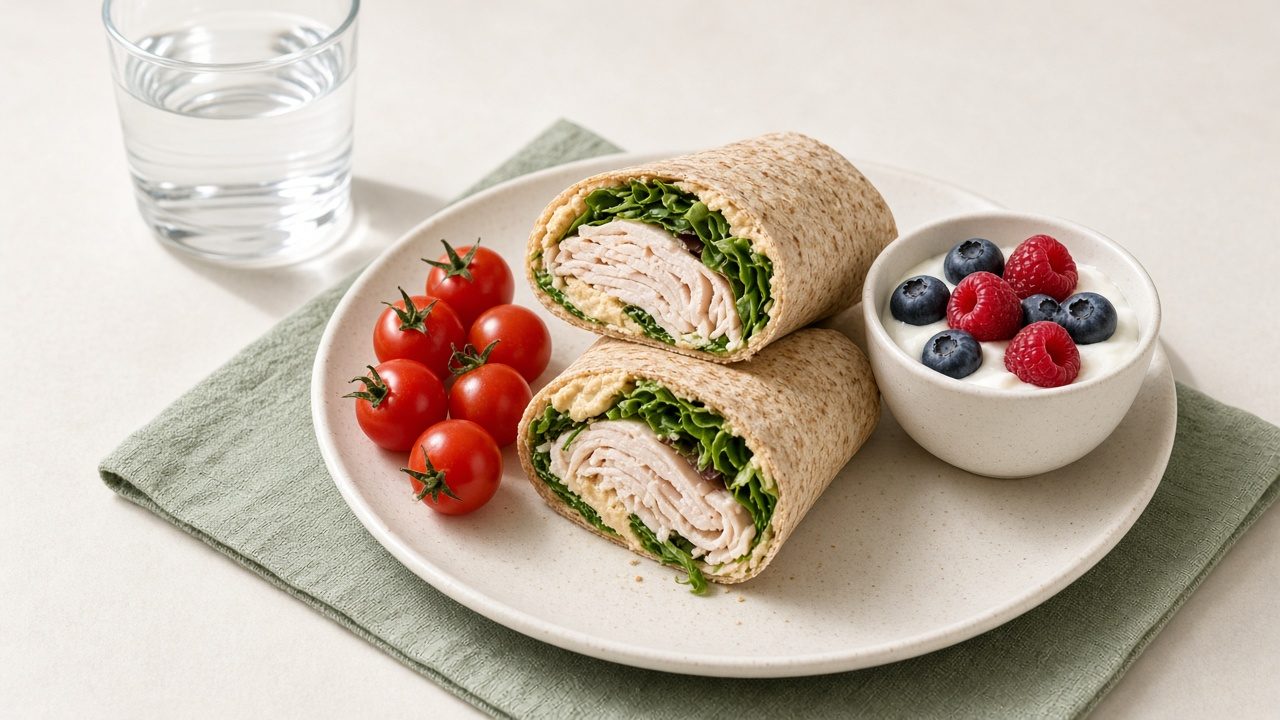
Protein is everywhere right now: on cereal boxes, in shakes, on every “high-protein” menu. It is fair to wonder what number you should actually aim for and what that looks like on a plate.
The honest answer is “it depends,” and the reason is that several respected sources give different numbers. This guide lays them side by side, shows the math with real examples, gives you a table of protein in everyday foods, and walks through three sample days. Our RD team’s goal is a practical number you can use without counting every gram.
Step 1: Do the math for your weight
- Convert pounds to kilograms. Divide your weight in pounds by 2.2. (160 lb ÷ 2.2 ≈ 73 kg.)
- Pick a range from the table below that fits your situation. If you are unsure, the RDA is the low end and the Dietary Guidelines range is the high end of what federal sources suggest.
- Multiply. Kilograms × grams per kilogram = grams of protein per day.
- Divide by your meals. A day of about 90 g is roughly 30 g at each of three meals, or about 22 g across four eating occasions.
- Check with a clinician if you have kidney disease, are pregnant or breastfeeding, or have any condition that changes protein needs.
| Body weight | 0.8 g/kg (RDA) | 1.0–1.2 g/kg (PROT-AGE, over 65) | 1.2–1.6 g/kg (Dietary Guidelines 2025–2030) |
|---|---|---|---|
| 130 lb (59 kg) | 47 g | 59–71 g | 71–95 g |
| 160 lb (73 kg) | 58 g | 73–87 g | 87–116 g |
| 190 lb (86 kg) | 69 g | 86–104 g | 104–138 g |
Our arithmetic from the g/kg ranges in the sources below, using 2.2 lb per kg. These are examples, not personal recommendations. If your weight is far above or below average, a registered dietitian can tell you which weight to use.
What each source says, side by side
| Source | Number | Who it is for and how to read it |
|---|---|---|
| RDA (cited by the AHA and the Academy) | 0.8 g/kg per day; the Academy lists 46 g/day for women and 56 g/day for men ages 19+ | The Academy says most healthy individuals should aim for the RDA for their age and sex, and that needs may vary with high activity, pregnancy or breastfeeding, or certain medical conditions |
| AHA | 10–35% of daily calories from protein; RDA of 0.8 g/kg | The AHA says you do not need to count grams, and favors plant proteins, fish, and lean or skinless meat and poultry; it advises low-fat or fat-free dairy |
| Dietary Guidelines for Americans 2025–2030 | 1.2–1.6 g/kg per day, adjusted to your calorie needs | General serving goal for the population; protein at every meal; a variety of animal and plant foods; full-fat dairy with no added sugars |
| PROT-AGE Study Group (2013) | At least 1.0–1.2 g/kg for adults over 65; at least 1.2 g/kg if exercising; 1.2–1.5 g/kg for most with acute or chronic illness | Expert position paper on older adults; it also notes people with severe kidney disease who are not on dialysis may need to limit protein |
| Dietitians of Canada, Academy, and ACSM (2016) | 1.2–2.0 g/kg per day for athletes, spread across the day (about 0.3 g/kg after exercise and through the day) | Position paper on athletic performance; not a target for most people who are not training hard |
Sources: AHA, “Protein: What’s Enough?”; Academy, “How Much Protein Should I Eat?”; DGA 2025–2030; Bauer et al., PROT-AGE, 2013; Position of Dietitians of Canada, the Academy of Nutrition and Dietetics, and the ACSM, “Nutrition and Athletic Performance” (2016).
Why the numbers differ
The RDA is the long-standing benchmark for healthy adults. The Dietary Guidelines’ 1.2–1.6 g/kg is a higher “serving goal” for everyday eating, and PROT-AGE and the athletic position paper address specific groups (older adults, people training hard). The Academy says most Americans already get enough protein overall but lack variety, which is why it emphasizes mixing sources such as seafood, legumes, and low-fat dairy. In short, the lower figure describes a floor for most healthy adults and the higher figures describe goals for particular purposes. Where the sources disagree on kinds of protein, we show both: the Dietary Guidelines list red meat and full-fat dairy among protein foods, while the AHA and the Academy lean toward lean meats, fish, plants, and low-fat dairy, partly because protein foods can bring saturated fat. See our plain-English guide to the Dietary Guidelines for the full comparison.
Step 2: What the grams look like on a plate
Most people do not weigh protein, so it helps to know a few anchors. The Academy suggests that about 7 grams of protein is in each of: 1 ounce of cooked meat, poultry, or fish; ½ cup cooked beans or lentils; 1 egg; 2 tablespoons of peanut, almond, or sunflower butter; and 1 ounce of nuts or seeds. It also says a deck-of-cards-sized piece of meat, a drained can of tuna, or a small chicken breast is about 3 ounces, providing around 21 grams.
For more precise values, our RD team used the USDA FoodData Central database. Cooked, specific items vary a bit from rule-of-thumb numbers, and brands vary, so treat the table as approximate and check the Nutrition Facts label on packaged foods.
| Food (portion) | Protein | Notes |
|---|---|---|
| Egg, hard-boiled (1 large) | 6 g | |
| Greek yogurt, plain, nonfat (170 g container) | 17 g | Whole-milk Greek yogurt, same size: about 15 g |
| Cottage cheese, 2% (½ cup) | 12 g | |
| Milk, whole (1 cup) | 8 g | Similar for other cow’s milk fat levels |
| Cheddar cheese (1 oz) | 7 g | |
| Chicken breast, roasted (3 oz cooked) | 26 g | Academy rule of thumb: about 21 g for 3 oz of cooked meat |
| Ground beef, 90% lean, broiled (3 oz cooked) | 22 g | |
| Salmon, farmed, cooked (3 oz) | 19 g | |
| Light tuna, canned in water, drained (3 oz) | 22 g | |
| Tofu, firm, calcium-set (½ cup) | 22 g | Brands vary; check the label |
| Tempeh, cooked (3 oz) | 17 g | |
| Lentils, cooked (½ cup) | 9 g | Also about 8 g fiber |
| Black beans, cooked (½ cup) | 8 g | Also about 7.5 g fiber |
| Chickpeas, cooked (½ cup) | 7 g | |
| Edamame, shelled, cooked (½ cup) | 9 g | |
| Peanut butter (2 tbsp) | 7 g | |
| Almonds (1 oz, about 23 nuts) | 6 g | |
| Rolled oats, dry (½ cup) | 5 g | Whole-wheat bread, 1 slice: about 4 g |
| Brown rice, cooked (1 cup) | 6 g | Quinoa, cooked (1 cup): about 8 g |
Values computed from USDA FoodData Central entries (USDA SR Legacy data) and rounded to the nearest gram. Foods are listed for protein only; calories, saturated fat, sodium, and added sugars vary a lot between choices.
Step 3: Build a plate that gets you there
- Start with a protein anchor at each meal: eggs or yogurt at breakfast, beans, fish, or poultry at lunch and dinner. The Dietary Guidelines say to prioritize protein foods at every meal.
- Mix sources across the week. The Academy encourages seafood twice a week and legumes more often; the AHA favors plant proteins, fish, and lean or skinless meat and poultry; the Dietary Guidelines include eggs, poultry, seafood, red meat, and plant foods such as beans, peas, lentils, nuts, seeds, and soy.
- Choose lower-processed forms. The Dietary Guidelines advise meat with no or limited added sugars, refined starches, or chemical additives, and advise swapping deep-fried cooking for baking, broiling, roasting, stir-frying, or grilling.
- Fill the rest of the plate with vegetables, fruit, and whole grains (see fiber, every day).
- Add a small protein snack if you are below your target: yogurt, cheese, nuts, hummus, or a boiled egg.
Three sample days
These show how the grams add up. They count only the foods listed (vegetables, fruit, and drinks add small amounts), and the totals are approximate. Pick the level of effort that matches your week, and scale portions up or down for your own target.
| Meal | Foods | Protein |
|---|---|---|
| Breakfast | 2 eggs and 1 slice of whole-wheat toast | 17 g |
| Lunch | Tuna (3 oz) on 2 slices of whole-wheat bread, with lettuce and tomato | 30 g |
| Snack | Plain nonfat Greek yogurt (170 g) with berries | 17 g |
| Dinner | Roasted chicken breast (3 oz), ½ cup lentils, and roasted vegetables | 35 g |
| Meal | Foods | Protein |
|---|---|---|
| Breakfast | Oatmeal (½ cup dry oats) cooked in 1 cup of milk | 13 g |
| Lunch | Stir-fry with ½ cup firm tofu and ½ cup edamame over 1 cup brown rice | 37 g |
| Snack | ½ cup cottage cheese; apple with 2 tbsp peanut butter | 19 g |
| Dinner | Tacos with ½ cup black beans and 1 oz cheddar | 15 g |
Vegetarian eating includes some nutrients to watch (the Dietary Guidelines name vitamin B12, iron, and others). See our vegetarian and vegan nutrients guide.
| Meal | Foods | Protein |
|---|---|---|
| Breakfast | Oatmeal (½ cup dry oats) cooked in 1 cup milk, plus 1 hard-boiled egg | 19 g |
| Lunch | Peanut butter (2 tbsp) sandwich on 2 slices of whole-wheat bread, and 1 cup of milk | 23 g |
| Snack | 1 hard-boiled egg | 6 g |
| Dinner | Lentil bowl: 1 cup lentils over 1 cup brown rice, with ½ cup frozen peas | 28 g |
This day is built on dry beans, lentils, oats, eggs, and peanut butter. See budget groceries and SNAP, WIC, and food help.
If you eat mostly plants
The Dietary Guidelines’ section for vegetarians and vegans lists whole foods such as dairy, eggs, beans, peas, lentils, legumes, nuts, seeds, tofu, and tempeh, and advises diversifying plant protein sources. It also asks vegetarians and vegans to pay attention to potential nutrient gaps and to limit highly processed vegan or vegetarian foods with added fats, sugars, and salt. Beans, lentils, tofu, tempeh, and edamame in the table above are the workhorses; most people find it easiest to include one at every meal.
When “eat more protein” is not the right advice
Bars, shakes, and powders
The sources we used focus on protein from food, and we do not recommend or sell specific products here. If you use a bar or shake, the Dietary Guidelines’ advice on added sugars (one meal should contain no more than 10 grams) and on limiting artificial flavors and low-calorie non-nutritive sweeteners is a useful label check, and our label guide shows where to look. Our supplements basics page covers how to think about products in general.
Handy kitchen tools
Weighing or measuring a few times is the quickest way to learn what 3 ounces of chicken or ½ cup of beans looks like. After that, most people can eyeball it.
Frequently asked questions
Do I need protein at every meal?
The Dietary Guidelines say to prioritize protein foods at every meal, and the athletic position paper recommends a regular spread of moderate amounts across the day. For most people the total for the day matters more than a perfect split, but spreading it out also makes the total easier to reach. For older adults, see our protein, muscle, and healthy aging guide.
Can I eat too much protein?
The AHA notes that extra protein often comes from meats high in saturated fat, which can raise LDL cholesterol, and that eating more protein can come at the expense of fruits and vegetables. People with kidney disease may need to limit protein (see the box above). If your target is well above the RDA, ask your clinician or dietitian whether it fits your health.
Is plant protein as good as animal protein?
The Dietary Guidelines recommend a variety of animal and plant protein foods, and the AHA favors plant-based protein foods like beans, lentils, nuts, seeds, and soy. Vegetarians and vegans are advised to diversify plant protein sources and watch certain nutrients (iron, B12, vitamin D, calcium, and iodine). Variety is the practical answer.
I am over 65. Is 0.8 g/kg enough?
The PROT-AGE group recommended at least 1.0–1.2 g/kg for adults over 65, with higher amounts for people who exercise or have illness. Some older adults eat little because of appetite or chewing problems. Our muscle and aging guide has softer-protein ideas and a movement plan.
Do I need extra protein after workouts?
For athletes, the joint position paper suggests moderate amounts of high-quality protein after training and across the day (about 0.3 g/kg), and says these intakes can generally be met from food. If you are not training hard, you probably do not need to change anything. See sports and kids fueling for general fueling ideas.
What if I am on a GLP-1 medication or have a small appetite?
Appetite changes can make any protein target harder to reach. Smaller, more frequent protein-containing snacks and softer foods can help. Talk with your prescriber or a dietitian about your own target, and see our GLP-1 supportive eating guide.
Do I need to count grams?
No. The AHA says you do not need to count grams to meet your protein needs. The Academy says considering serving sizes may be more helpful than counting grams. Use the table as a reference for a week or two, then trust the plate.
A short “good enough” check
- I know my approximate range in grams and which source it came from.
- Each meal had a protein anchor, and I varied the sources across the week.
- Vegetables, fruit, and whole grains still had room on my plate.
- If I have kidney disease or another condition, I am following my care team’s advice.
Related reads: first-meal protein, protein, muscle, and healthy aging, vegetarian and vegan nutrients, and GLP-1 supportive eating.
Sources
- U.S. Department of Agriculture & U.S. Department of Health and Human Services. Dietary Guidelines for Americans, 2025–2030 (January 2026). https://cdn.realfood.gov/DGA.pdf
- Academy of Nutrition and Dietetics (eatright.org). How Much Protein Should I Eat? (reviewed February 3, 2026). https://www.eatright.org/health/essential-nutrients/protein/how-much-protein-should-i-eat
- American Heart Association. Protein: What’s Enough? (last reviewed August 28, 2024). https://www.heart.org/en/healthy-living/healthy-eating/eat-smart/nutrition-basics/protein-and-heart-health
- Bauer J, et al. Evidence-based recommendations for optimal dietary protein intake in older people: a position paper from the PROT-AGE Study Group. J Am Med Dir Assoc. 2013 (PubMed 23867520). https://pubmed.ncbi.nlm.nih.gov/23867520/
- Position of Dietitians of Canada, the Academy of Nutrition and Dietetics, and the American College of Sports Medicine: Nutrition and Athletic Performance (February 2016, revised December 2016). https://www.dietitians.ca/DietitiansOfCanada/media/Documents/Resources/noap-position-paper.pdf
- NIDDK. Healthy Eating for Adults with Chronic Kidney Disease (last reviewed January 2025). https://www.niddk.nih.gov/health-information/kidney-disease/chronic-kidney-disease-ckd/healthy-eating-adults-chronic-kidney-disease
- U.S. Department of Agriculture. FoodData Central (SR Legacy foods). https://fdc.nal.usda.gov/
Not sure what number is right for you? Our RD team would be glad to hear from you: send us a note, or join the newsletter for calm, practical ideas in your inbox.